
Interior Photographer Singapore
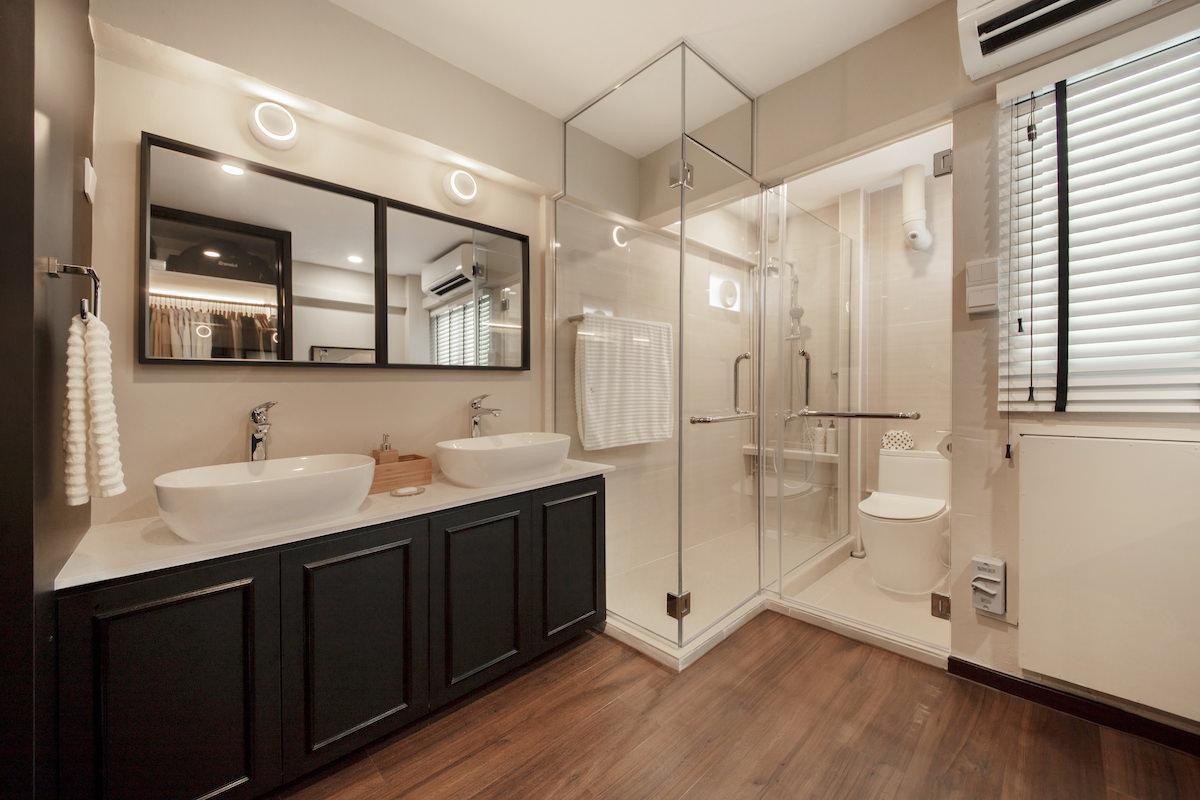
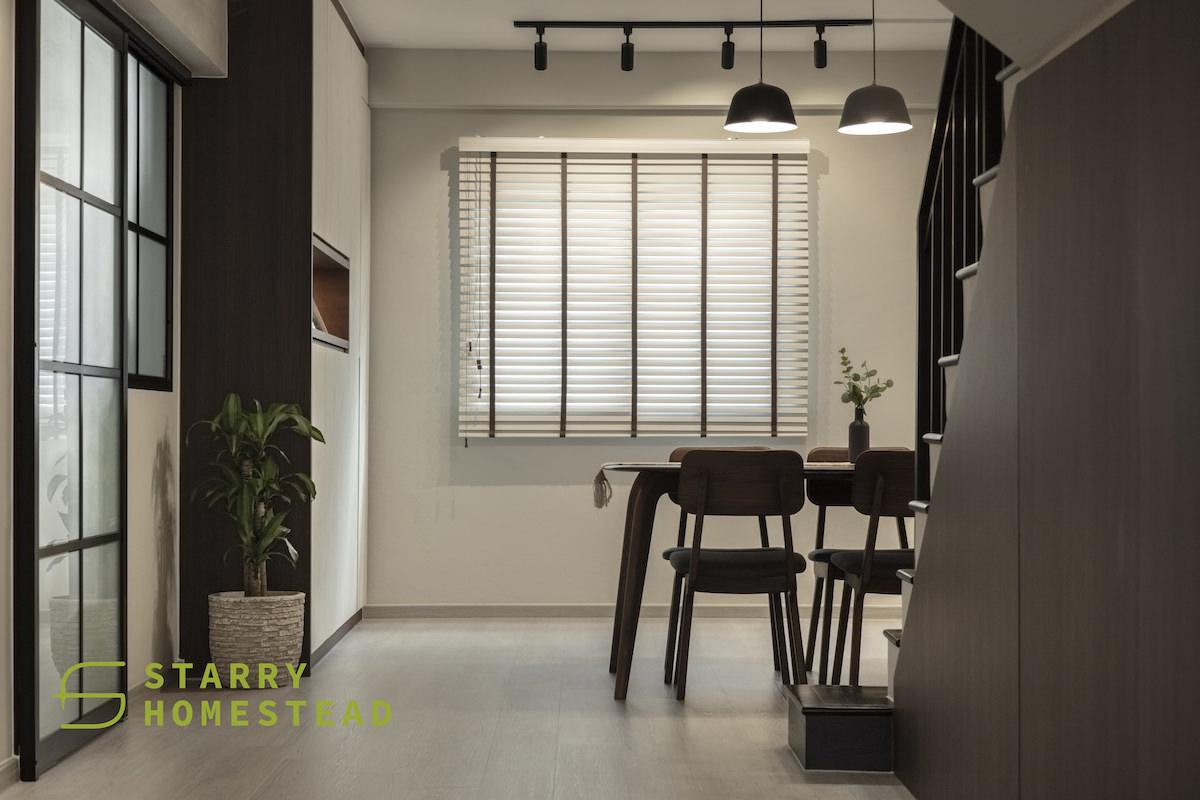
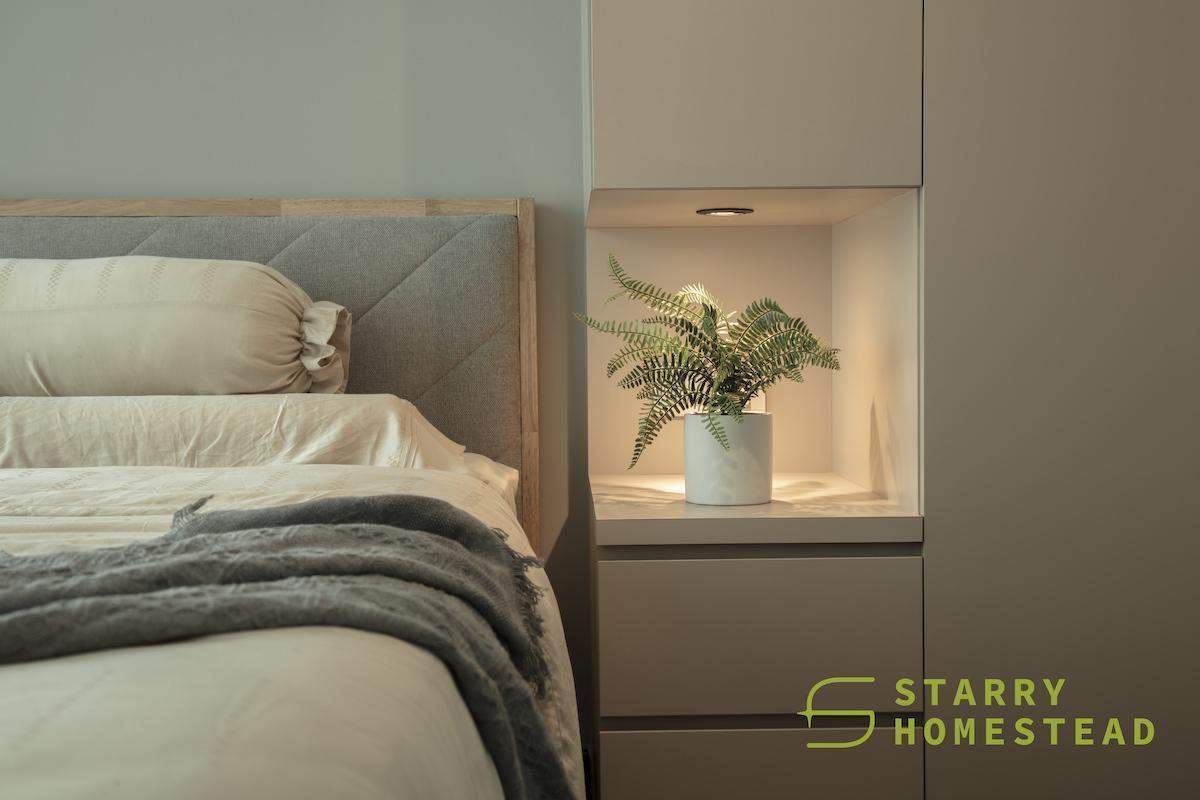
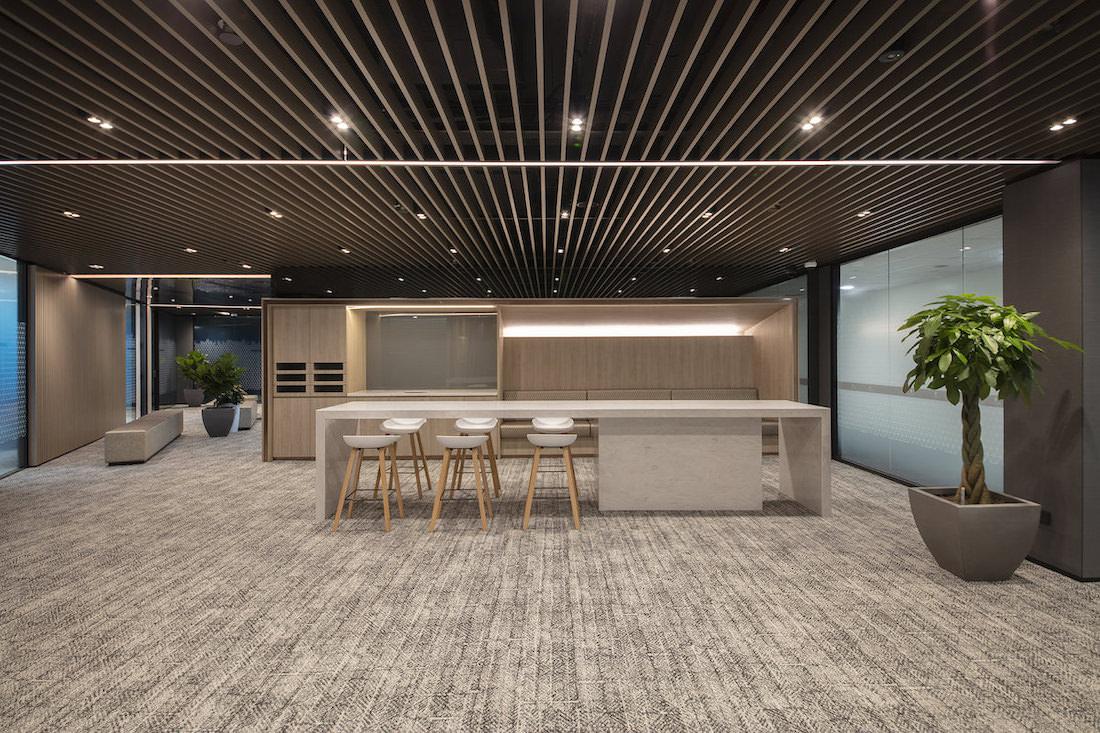
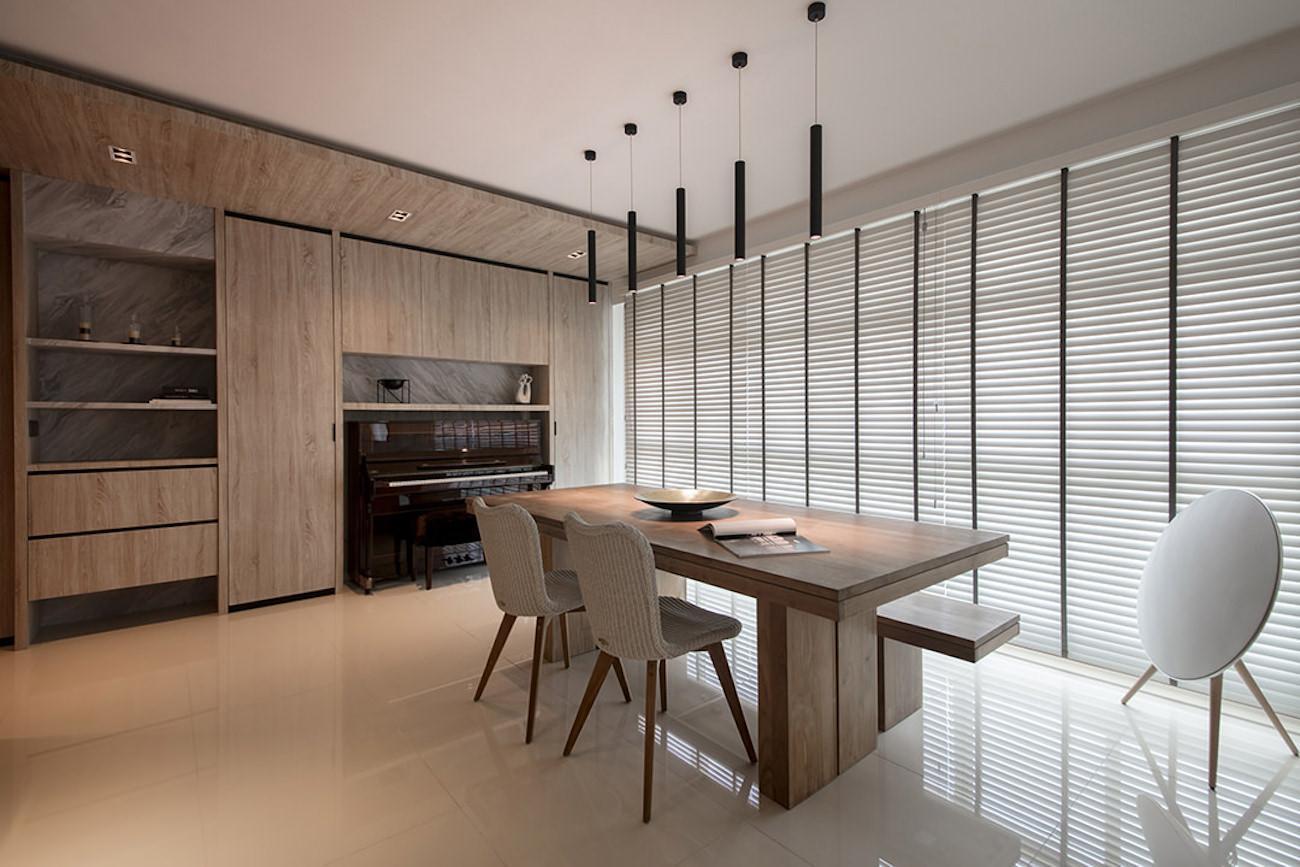
Residential and Commercial Interior Photography
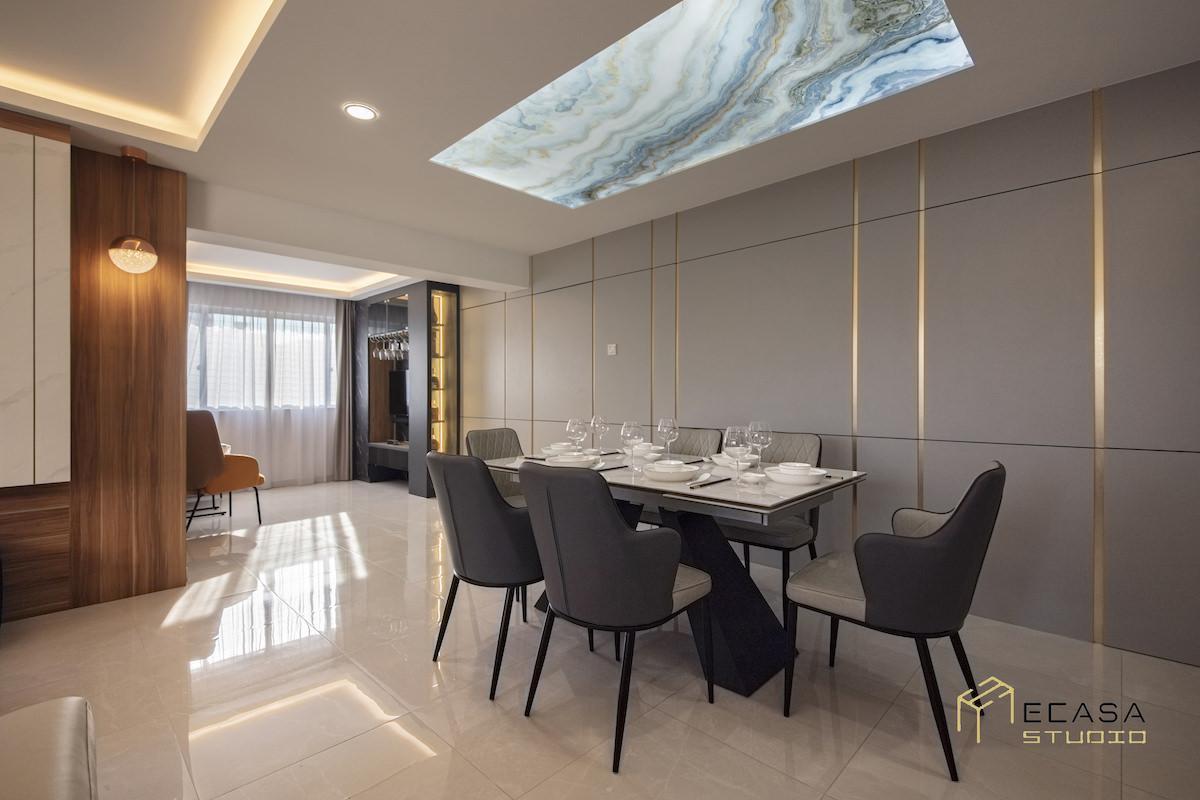
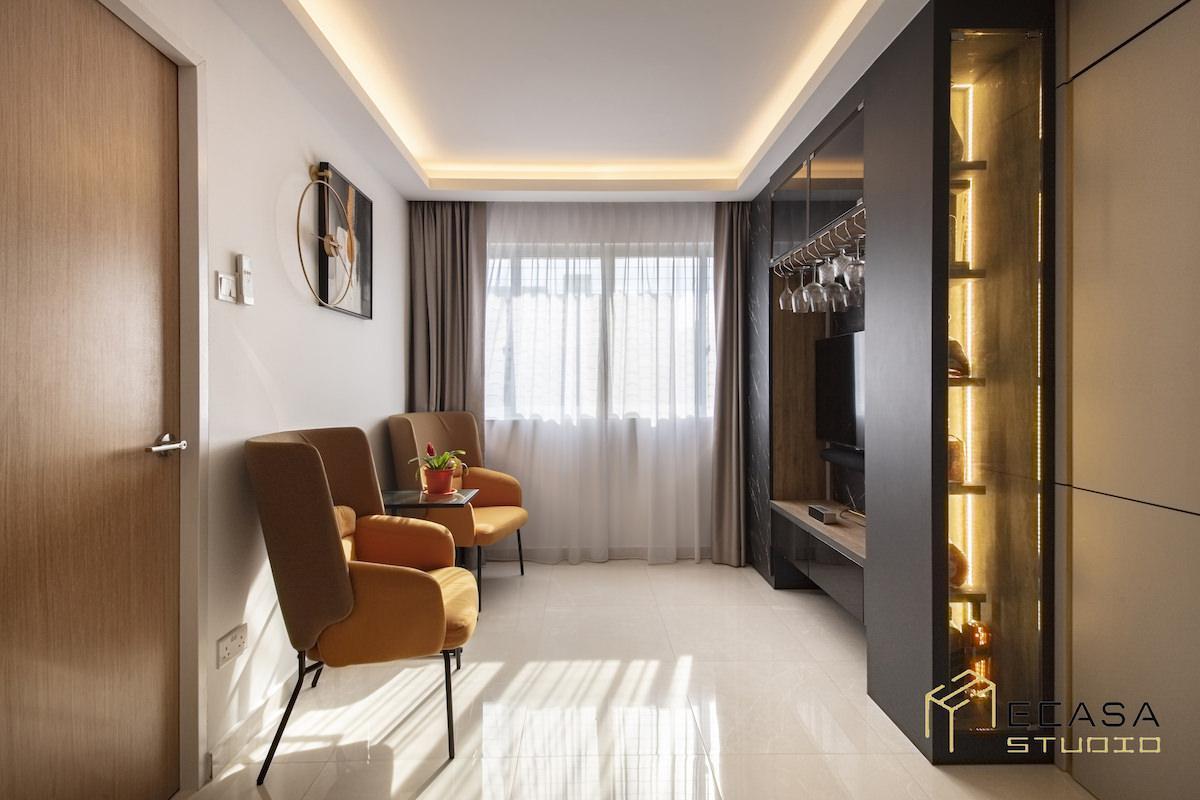
Studio Sago provides interior photography for residential and commercial spaces in Singapore. The photography can cover homes, offices, hotels, restaurants, retail spaces and other completed interiors. The photographs can show the overall space together with furniture, materials, lighting and interior details required for the project.
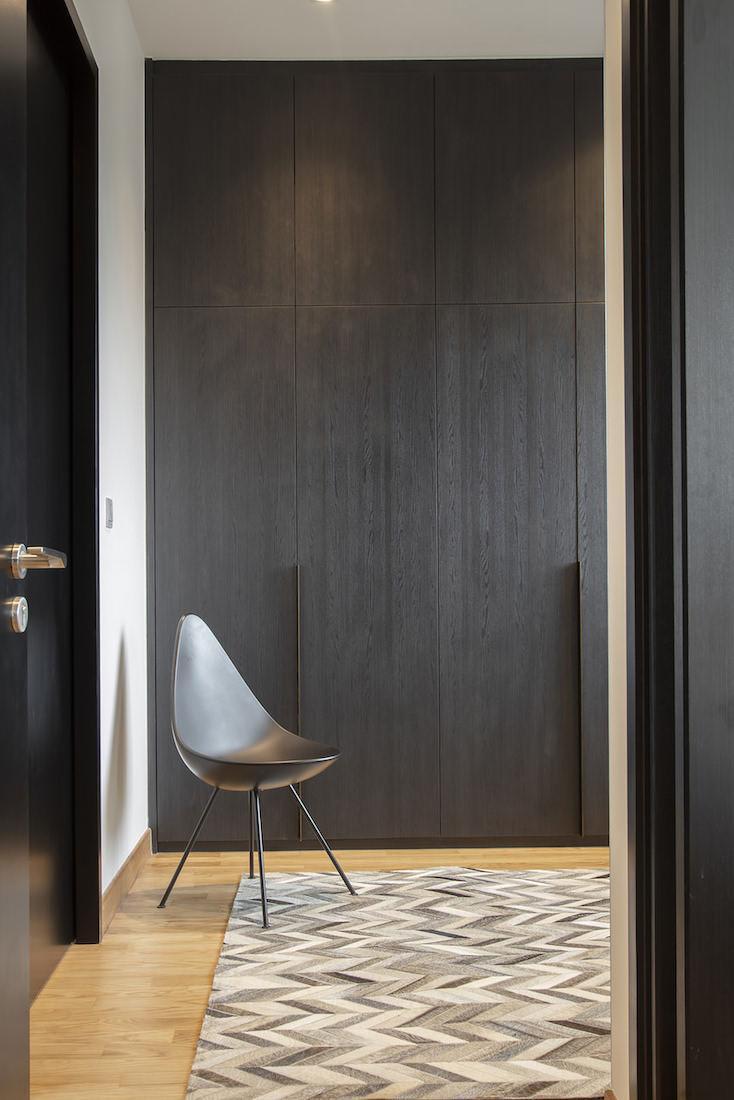
Interior Photography Services in Singapore
Interior photography requires careful control of natural light, interior lighting and shadows to show the space and interior design clearly. For interiors with a wide range of light, different exposures can be photographed and combined during post-production to retain details in bright and darker areas. Exposure bracketing can be used to control bright windows, interior lighting and darker areas of the room. The images are edited to balance highlights and shadows while keeping the interior looking natural. The final photograph should show the interior space, lighting, materials and design details clearly. A professional interior photographer photographs the space, lighting, materials and details that form the interior design.
Interior photography can be used by interior designers, architects, hotels, restaurants, offices and property owners to photograph completed interior spaces. Interior photography focuses on the design, lighting, materials and details of a space, while real estate photography is mainly used to present a property for sale or rental. Interior photography normally requires attention to composition, perspective, lighting and post-production. Studio Sago provides interior photography services in Singapore for residential and commercial spaces.
Interior Photography Rates in Singapore
Interior photography rates depend on the type of space, number of photographs required, photography time and other project requirements. Contact Studio Sago with the location, type of interior and photographs required for a quotation.
Interior Photography Composition, Lighting and Styling
Straight vertical lines help the interior photograph show walls, doors and architectural features in their correct perspective. A tripod and levelled camera can be used to keep walls and vertical lines straight when photographing an interior.
Using a consistent camera height across a series of interior photographs gives the images a more consistent view of the space. This helps the photographs work together when they are used in a portfolio, website or publication.
Camera position and height are selected according to the interior, furniture and architectural features that need to be shown. Perspective can also be corrected during post-production where required. Interior lighting may be included where lighting fixtures form an important part of the interior design. The choice of natural light, interior lighting or additional flash depends on the space and the lighting design that needs to be photographed.
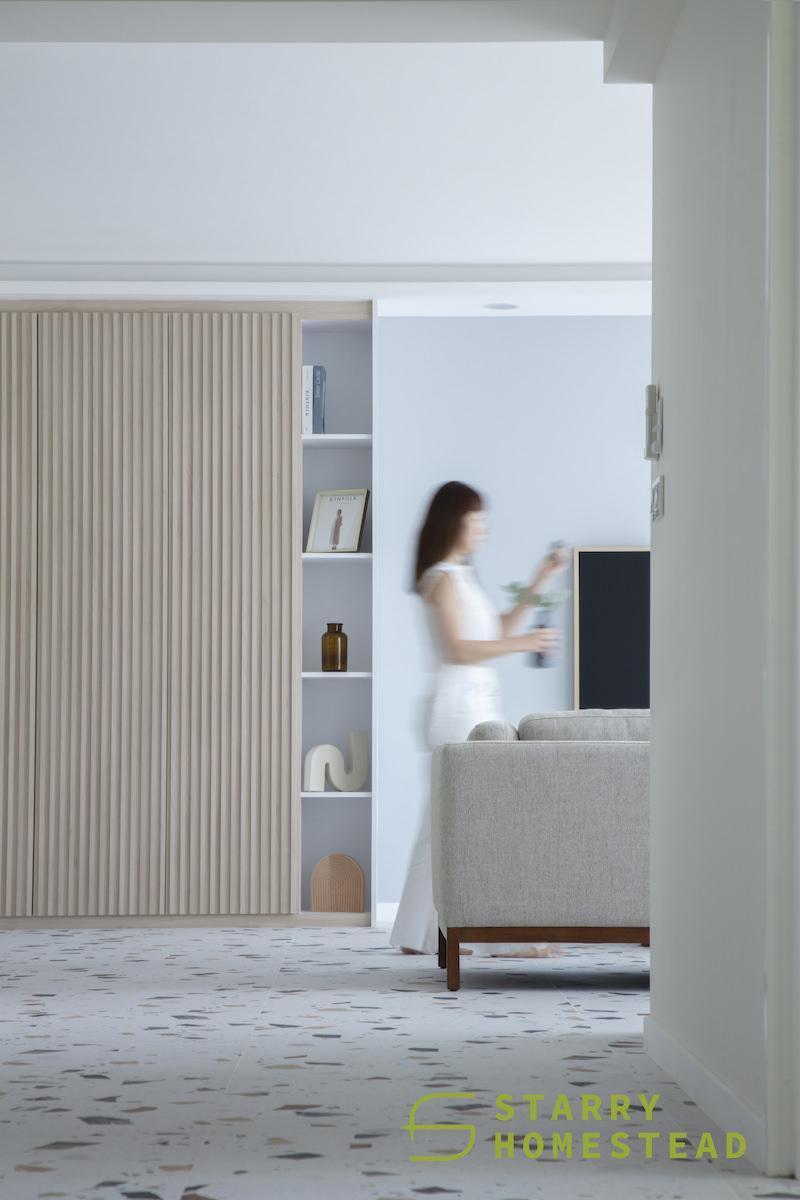
Interior lighting can create shadows and colour casts that need to be controlled during photography and post-production. These will appear on walls, floors, and furniture. It’s distracting and takes away from the actual interior design elements. You’ll also want to do several bracketed shots at varying exposures. That way, you can layer them for a subtle natural-feeling HDR final image when photo editing. Use natural light whenever possible. Where natural light is limited, bounced flash can be used to add light to darker areas of the interior.
Bounced flash can be directed at ceilings or walls to fill darker areas while keeping the lighting suitable for the interior.